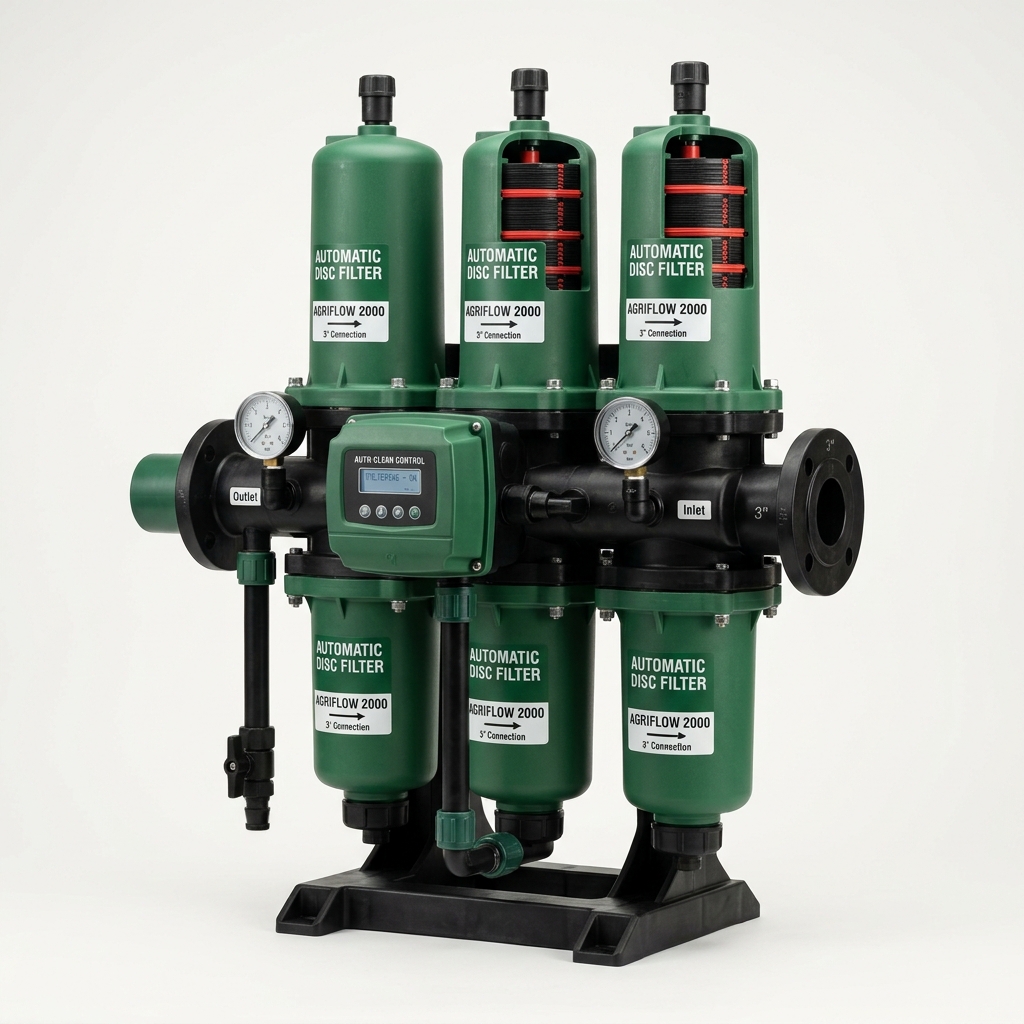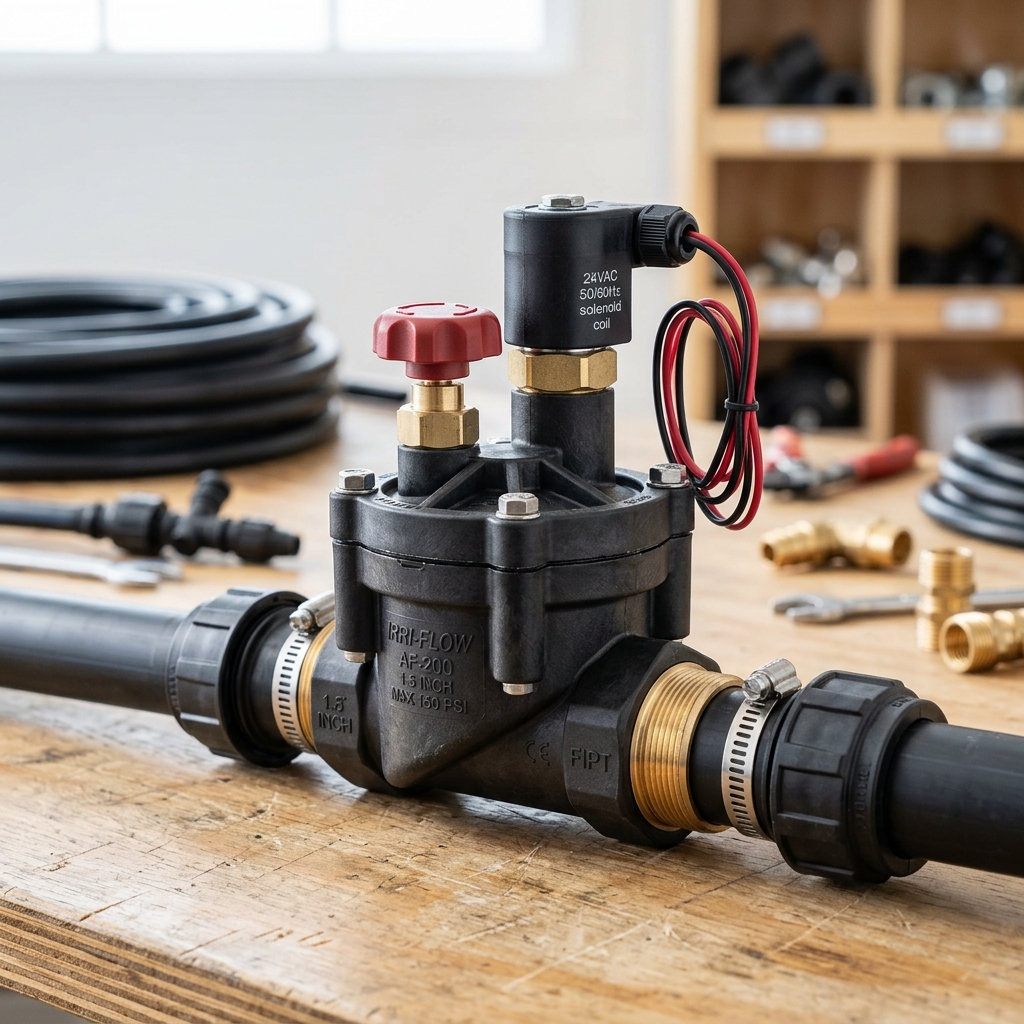
Clogged emitters in drip irrigation are most often caused by inadequate filtration. The right filter is chosen according to your water source quality, your flow rate and how you prefer to clean it. Here is a summary of the difference between a disc filter and a screen filter and when each is suitable.
How Does a Screen Filter Work?
A screen filter passes water through a fine-mesh screen and holds the dirt on the screen surface. Its design is simple. It is usually sufficient for cleaner sources such as well and mains water. If the water has a high organic load, the screen surface fills quickly and needs cleaning more often.
How Does a Disc Filter Work?
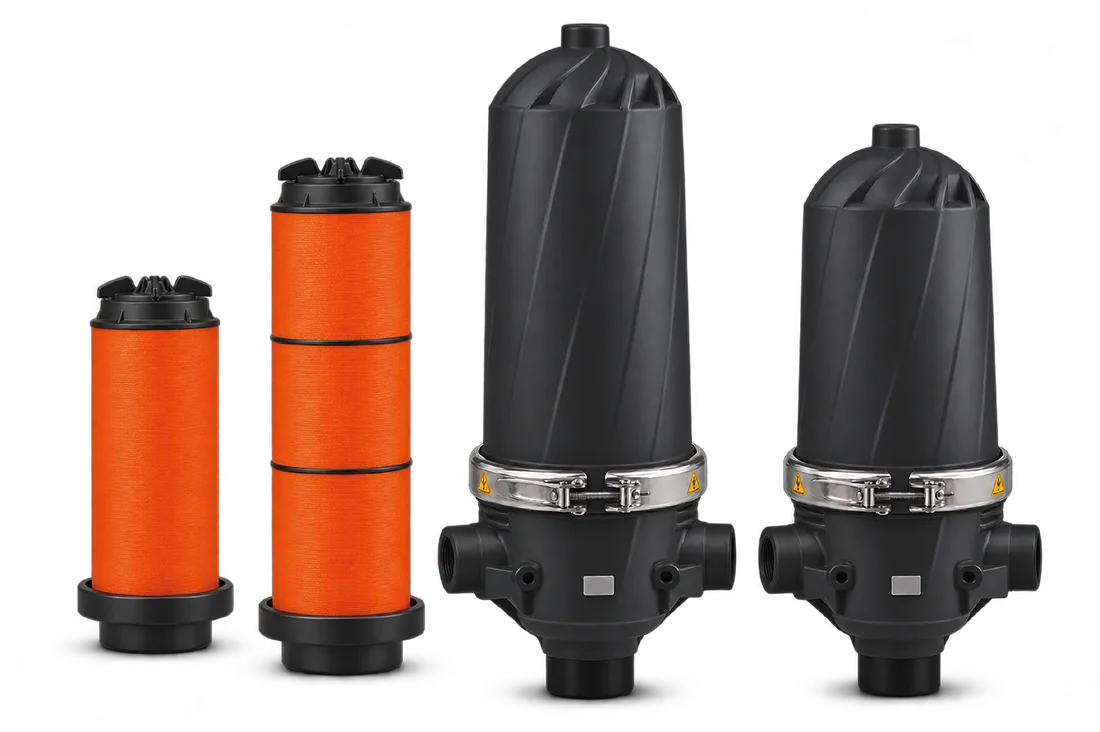
A disc filter contains stacked grooved discs. As water passes between the discs, dirt is trapped not only on the surface but throughout the depth of the discs. This makes it better suited to surface water such as canals and ponds, and to water containing algae and organic matter.
Which One Should I Choose?
- Well or mains water: A screen filter is usually enough for clean water.
- Canal, pond and surface water: A disc filter is preferred.
- High flow rate: Filter size must be chosen according to the system flow rate; if needed, consider a double filter or a filter battery.
- Cleaning: The insert (disc or screen) can be removed and washed. Cleaning is more practical in filter stations with a backwash valve.
Before You Decide
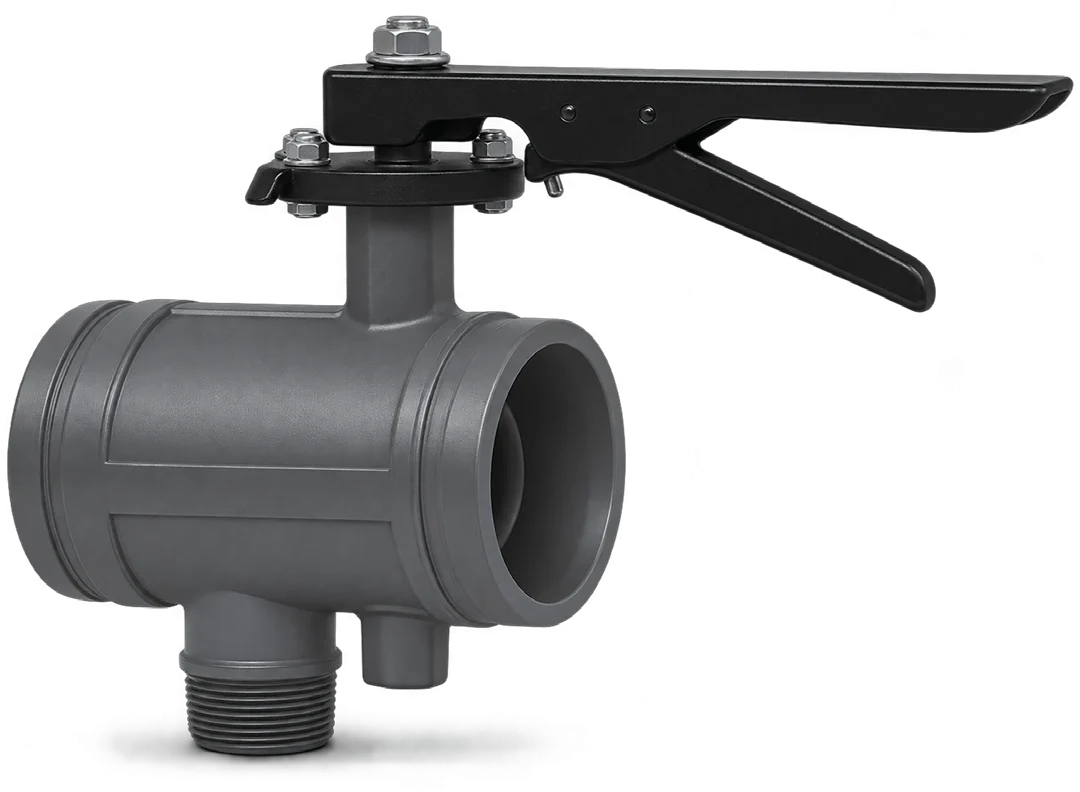
Having your water analyzed and knowing your flow rate is the safest way. Sistem Vana's disc and screen filters can be used with a disc or screen insert in a chrome or galvanized clamp body; grooved, victaulic and flange connection options are available. Spare inserts are in the clamps and spare parts group. To choose the right size for your line, you can fill in the quote form.